






space planning services cambridgeshire
Jason Nicholls

The Future of the Office: Evolving Workspaces, Productivity & Well‑Being
The world of work has changed dramatically in recent years. What was once a fixed, traditional office with rows of desks and cubicles has now evolved into dynamic environments designed around people, productivity, and purpose. As businesses rethink how space can support creativity, collaboration and wellbeing, thoughtful office planning has never been more essential. 
From Traditional to Purpose‑Driven Workspaces
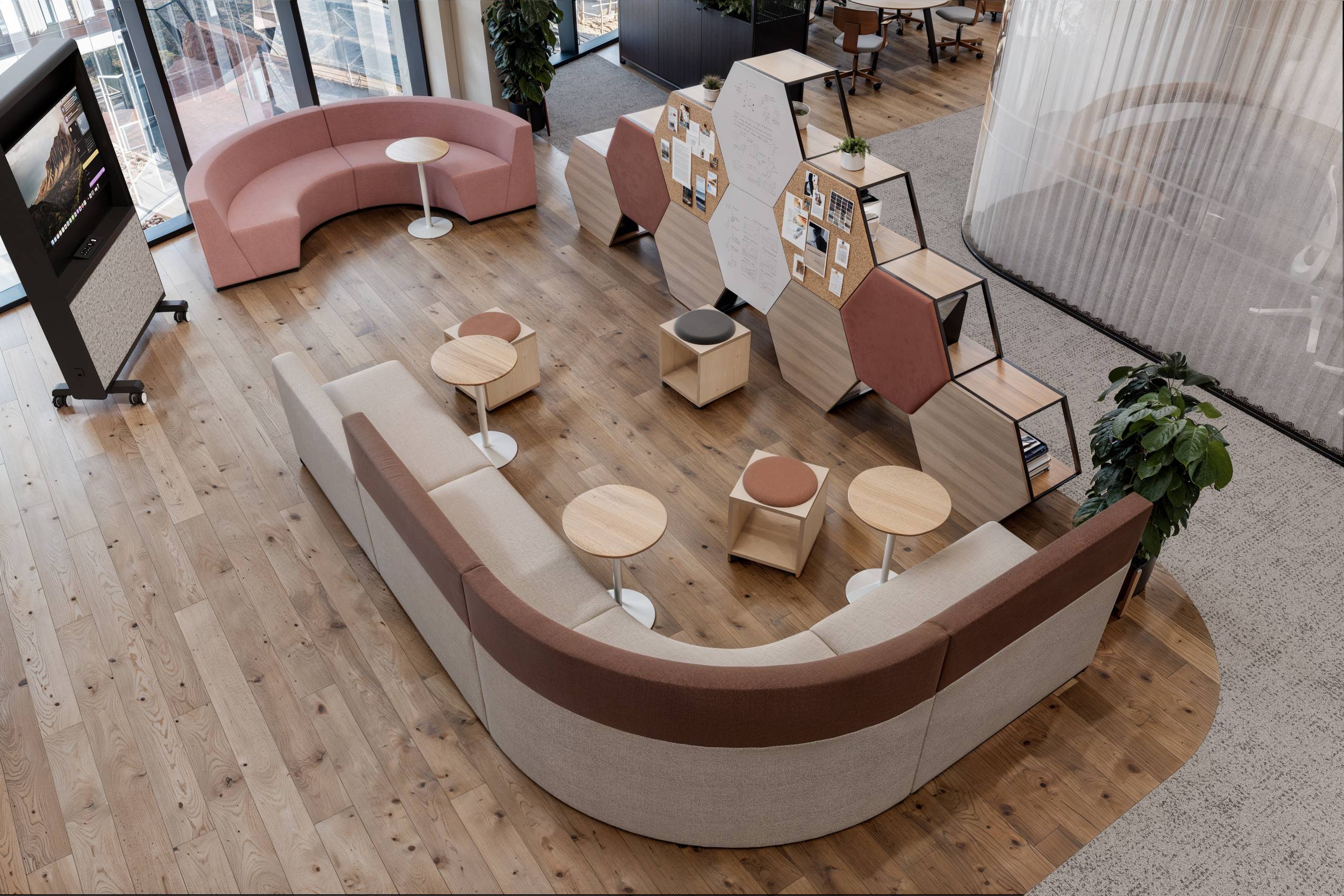
In today’s workplace, an office is no longer just a place to sit and do tasks — it’s an experience. Modern offices are being reshaped into hub‑style environments that support a range of activity types, from concentrated individual work to spontaneous team collaboration and informal social moments. Rather than defaulting to static layouts, organisations are embracing:
- Flexible, activity‑based work zones where people can choose the setting that best suits the task at hand.
- Adaptable designs allowing spaces to shift over time with minimal disruption.
- Quiet focus areas and retreat spaces that respect the need for deep work as well as social collaboration.
This approach reflects a broader trend in workplace planning: the office should serve people, not merely house them.
The Role of Smart Space Planning
Good office design doesn’t happen by accident — it starts with strategic space planning. At its core, space planning is about understanding how people use the office and aligning the environment to support those needs. A well‑planned space improves:
- Productivity: thoughtful layouts help minimise distractions and support efficient workflows.
- Collaboration: flexible zones encourage interaction without forcing it, creating organic opportunities for connection.
- Well‑Being: incorporating natural light, biophilic design and areas for decompression supports both mental and physical health.
Whether it’s optimising a small team floor or crafting an entire office campus, space planning ensures every square metre contributes to organisational success.

Well‑Being Takes Centre Stage
Workplace wellbeing isn’t a buzzword — it’s now a strategic priority. Research shows that elements like natural light, indoor plants, and spaces that reduce stress can boost overall satisfaction and productivity. Likewise, offices are designed with genuine wellness in mind — not just amenities “for show”.
Employers are creating spaces that help people:
- feel energised throughout the day
- take meaningful breaks
- engage with colleagues
- focus without distraction
This shift is essential in an era where hybrid work models mean employees choose how — and where — they work best.

Designing for Tomorrow’s Workforce
Office environments are now expected to be future‑ready. That means anticipating change — from hybrid working patterns to the needs of multi‑generational workforces — and building spaces that can evolve. Designers talk about offices as mini‑campuses where the built environment supports experience, not just output.
In this context, space planning isn’t a one‑off task — it’s a continuous strategy aligned with organisational goals. By blending innovation with practicality, businesses can craft workplaces that are not only efficient but engaging and human‑centred.

Want help turning your office into a high‑performing space?
Explore practical solutions and professional space planning services at Office Space Planning Peterborough — New Image Office Design Ltd.